
 Free trial · Personal learning advice


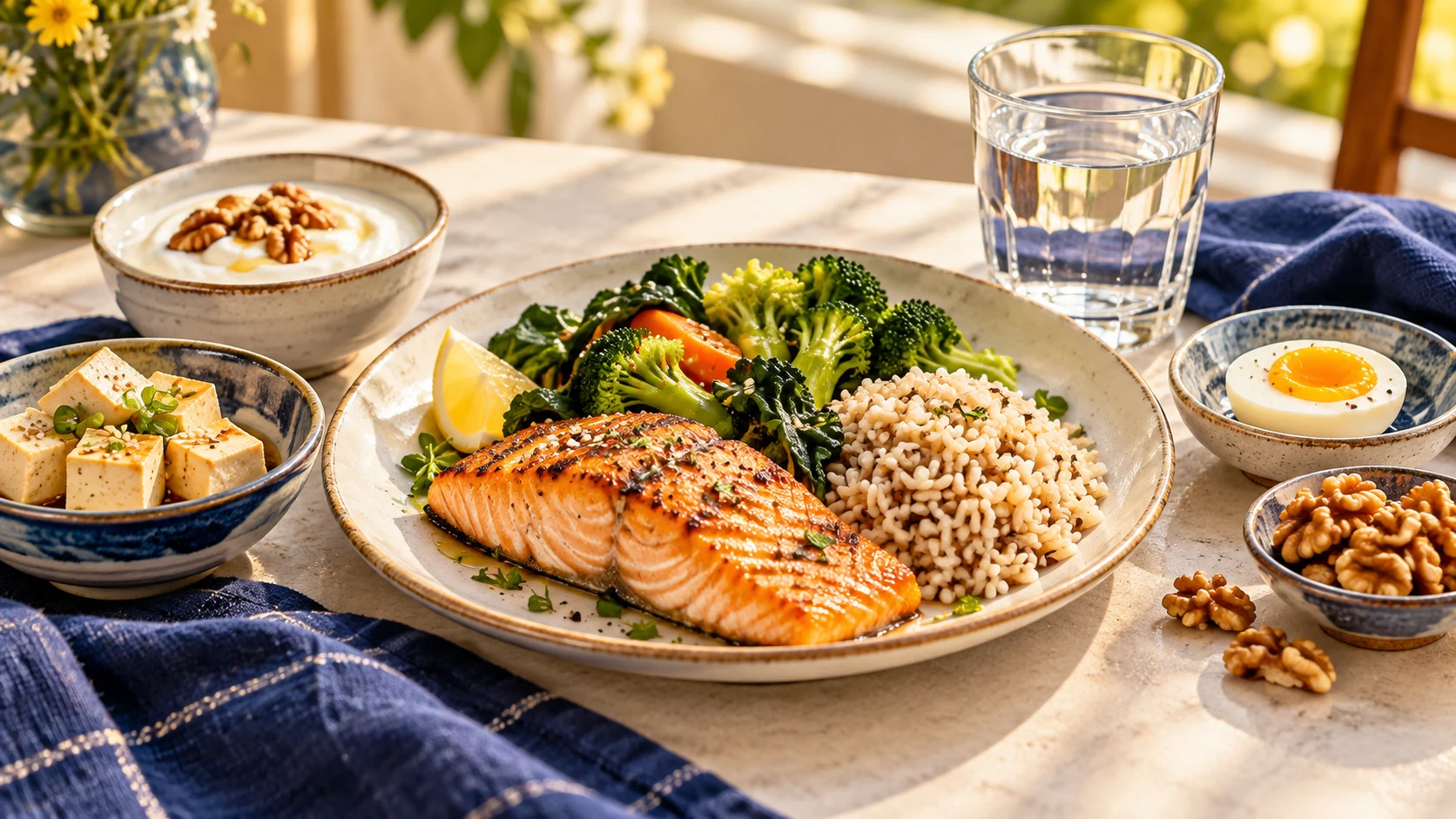
Nutrition After 50: Five Nutrients and Everyday Habits

After 50, nutrition should support health and everyday function. Varied meals and suitable physical activity are the foundation; no supplement combination is right for everyone. National Institute on Aging: healthy meal planning.
What does “cellular micronutrient deficiency” mean?
This phrase in popular material is not a diagnosis that explains every case of fatigue, poor memory or declining health. Nutrient deficiencies may need investigation, but persistent symptoms should be assessed rather than used as a reason to buy multiple supplements.
The following five substances feature in the supplied notes. Here is a more cautious way to understand their role.
1. Coenzyme Q10: not a universal anti-aging supplement
CoQ10 occurs naturally in the body. Evidence for many promoted benefits remains limited, so it should not be presented as a guaranteed solution for aging skin or fatigue. It can interact with warfarin and insulin. Discuss your medicines before considering supplementation. NCCIH: Coenzyme Q10.
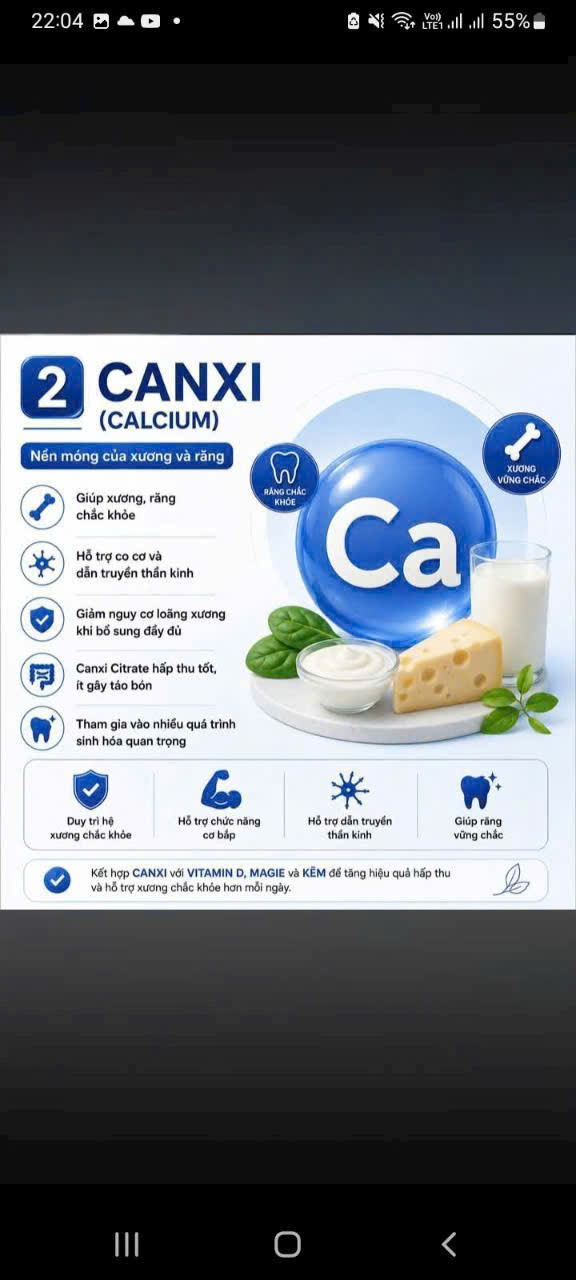
2. Calcium: start with suitable food sources
Calcium supports bones and other functions. Sources include dairy, calcium-fortified drinks, tofu made with calcium salts and fish with edible soft bones. Check labels because amounts vary. More calcium supplements do not automatically mean stronger bones. NIH: calcium.
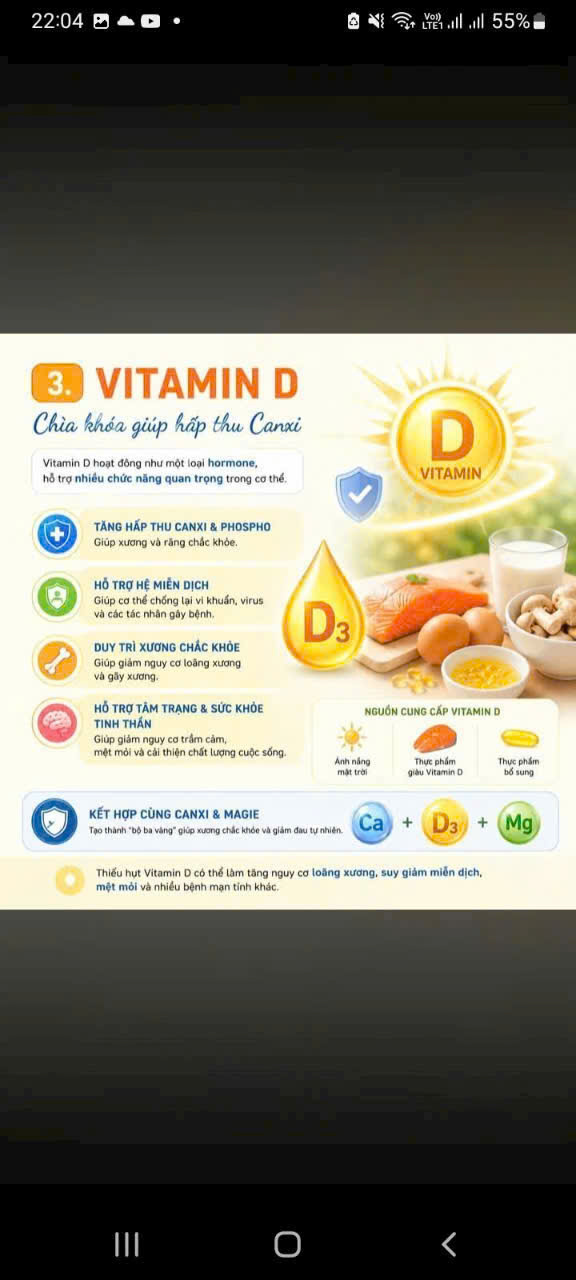
3. Vitamin D: support calcium absorption without excess
Vitamin D helps calcium absorption and supports muscle, nerve and immune function. Sunlight production varies with age, skin pigmentation and exposure conditions; a fixed 15-minute sunbathing rule cannot guarantee adequacy for everyone. Avoid UV damage and do not assume high-dose supplements are necessary. NIH: vitamin D.
4. Omega-3: keep cardiovascular claims realistic
Sources include oily fish and certain nuts and seeds. Fish can support a heart-healthy eating pattern, and some omega-3 preparations are used to lower triglycerides under clinical supervision. Describing omega-3 as “dissolving bad fat and clearing arterial plaques” overstates the evidence. Do not replace prescribed heart medicines with fish oil. NIH: omega-3 fatty acids.
5. Vitamin B12: identify deficiency rather than assume it
B12 supports red blood cell production and nerve function. Some older adults have impaired absorption, including from gastric disease, but not everyone over 50 is deficient. Assessment should guide treatment; injections or sublingual products are not automatically needed. NIH: vitamin B12.
Three practical habits
Take time to eat comfortably
Choose textures you can chew and swallow safely. Counting 30–50 chews is not a universal requirement. Seek help for persistent chewing or swallowing difficulties or a marked reduction in food intake. NIA: overcoming barriers to healthy eating.
Build variety into meals
Include vegetables, fruit, whole grains and suitable protein sources such as fish, eggs and beans. No single food needs to be treated as a “superfood”. Therapeutic diets, including kidney diets, require individual adjustments. NIA: food groups for older adults.
Use supplements purposefully and stay engaged
Do not select multiple products based on hearsay. Supplements can interact with medicines; share your product list with your clinician. Regular meals, appropriate activity and supportive relationships are everyday ways to care for yourself. NCCIH: using supplements wisely.
Adapted from the topics in the supplied notes and checked against the linked sources. The cover is an AI-generated illustration.
FREQUENTLY ASKED QUESTIONS

Mr.Nha and colleagues at Gia Sư English Chắp Cánh, based on real teaching and exam preparation experience in Nha Trang.
Take the free placement test to see where you stand, then discuss your goal with a teacher to pick the right course.
Yes. A free account opens part of the practice bank by skill; marked Writing and Speaking are for enrolled students.
All articles are on the Blog page, with a search box and topic labels to filter.


Was this article useful?
No ratings yet — be the first.
Create a free account or sign in to rate this article.
Comments (0)
Read as much as you like. To ask a question, create a free account — no course enrolment needed.
No comments yet.